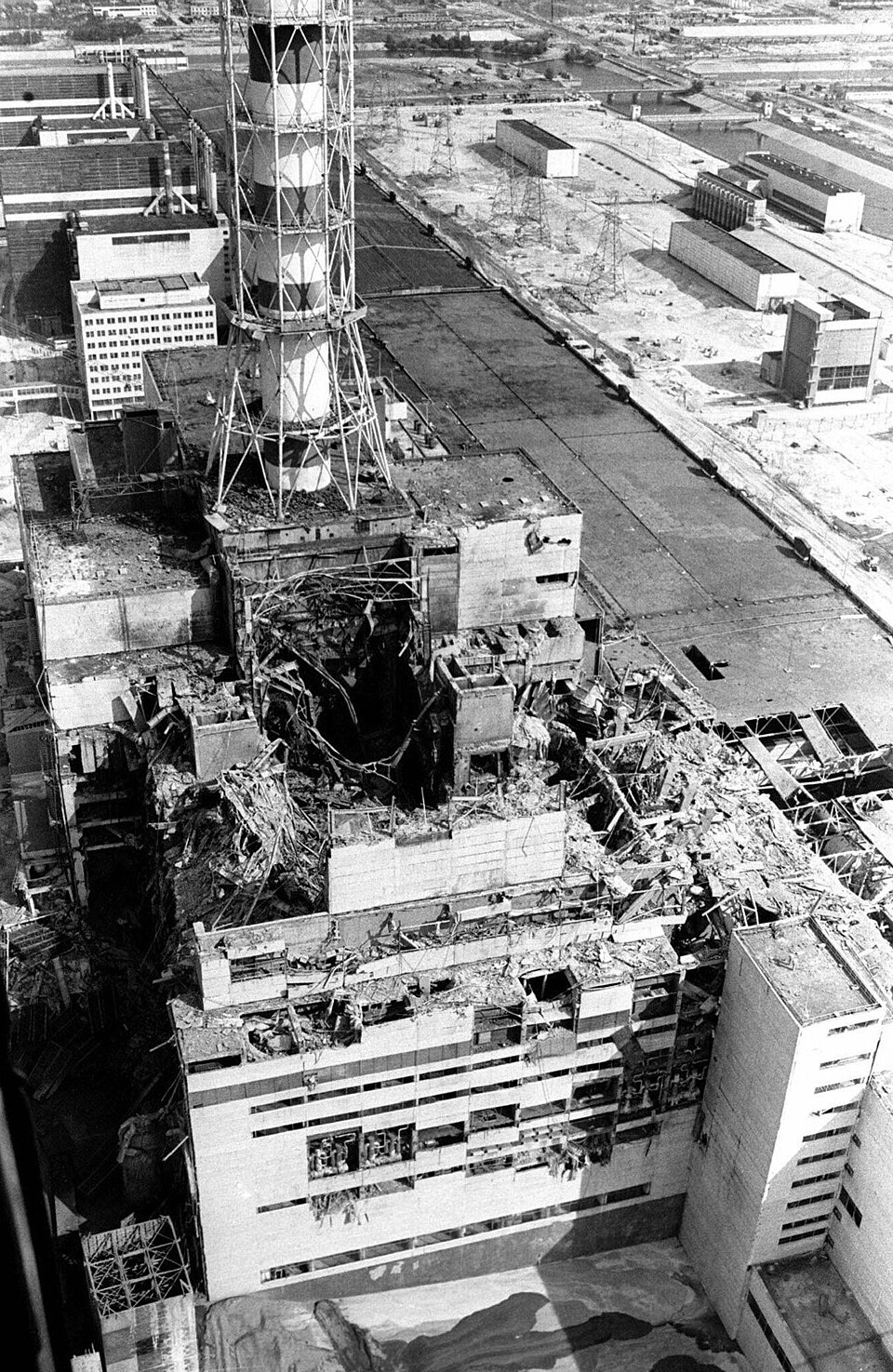
Chernobyl's Super-GAU: Recalling the 1986 Reactor Meltdown Event
For many, the name Chernobyl evokes images of abandoned cities, mutated wildlife, and a chilling reminder of humanity's technological vulnerabilities. The question, "
Wann War Das Unglück In Tschernobyl?" or "When was the Chernobyl disaster?", transports us back to a precise, tragic moment in history: the early hours of **April 26, 1986**. This date marks the catastrophic reactor meltdown at Unit 4 of the Chernobyl Nuclear Power Plant, an event that unleashed a "Super-GAU" – a German acronym for "Größter Anzunehmender Unfall," or "Maximum Credible Accident" – an event of such unprecedented scale that it far exceeded even the gravest theoretical predictions. Situated near the city of Pripyat in what was then the Ukrainian SSR (part of the Soviet Union, now Ukraine), Chernobyl became synonymous with nuclear disaster, permanently altering the landscape, challenging the future of nuclear energy, and leaving an indelible mark on global consciousness.
The Fateful Experiment: A Cascade of Errors Begins
The genesis of the Chernobyl disaster wasn't a sudden, unforeseen natural event, but a deliberately initiated safety test that spiraled catastrophically out of control due to a lethal cocktail of human error, procedural breaches, and inherent design flaws in the RBMK-1000 reactor. On the evening of April 25, 1986, the crew of Reactor Block 4 commenced preparations for an experiment. The objective seemed benign enough: to determine if, in the event of a total power loss, the residual rotational energy of a turbine generator could supply sufficient electricity to critical safety systems, particularly the emergency core cooling system (ECCS), until diesel generators could activate and provide stable power.
However, the execution of this test was fatally flawed from its inception. To conduct the experiment, the reactor’s emergency core cooling system and other crucial safety protocols were deliberately disabled. This action, a clear violation of existing safety regulations, was the first in a series of decisions that stripped the reactor of its safeguards. The reactor's power was gradually reduced, setting the stage for the test.
An unexpected demand for electricity temporarily halted the experiment, pushing its resumption into the night. Crucially, during this interlude, the ECCS and other vital safety systems remained disengaged, a decision that would prove devastating. Shortly after 11 PM on April 25, preparations for the actual test resumed. The protocol stipulated that the reactor's power should be lowered to about 25% of its nominal capacity. Instead, the power rapidly plummeted to less than 1% of its nominal output. This extremely low power level rendered the reactor highly unstable and inherently dangerous, as it exacerbated a known design flaw of the RBMK reactor type: a positive void coefficient, meaning that an increase in steam bubbles (voids) in the coolant would lead to a further increase in reactivity and power, rather than a decrease.
Instead of immediately shutting down the reactor – the correct safety procedure under such unstable conditions – the technicians made a perilous attempt to restore power. They withdrew almost all of the control rods from the reactor core, exceeding permissible limits and effectively removing the primary means of controlling the nuclear chain reaction. This aggressive manipulation managed to stabilize the power at around 7%, still far below the safe operational threshold for the planned test. Yet, in a testament to the fatal combination of operational arrogance and pressure, the experiment proceeded. For a deeper understanding of these critical missteps, you can read more about
The Chernobyl Accident: Unpacking the Critical Errors of April 1986.
The Point of No Return: From Test to Catastrophe
The actual test began in the early hours of April 26. The technicians closed the safety valves of the turbines, reducing the flow of cooling water into the reactor core. This act, combined with the critically low number of control rods, the reactor's unstable state, and the positive void coefficient, triggered an immediate and catastrophic reaction. Within seconds, the reactor's power began to surge uncontrollably.
The shift supervisor, recognizing the imminent danger, initiated an emergency shutdown, known as "AZ-5." This command was meant to rapidly reinsert all control rods into the core, halting the nuclear chain reaction. However, the attempt was futile. The extreme temperatures and immense pressure building within the reactor had already caused the fuel channels and control rods to deform, preventing their full insertion. The power continued to escalate, surging to an estimated 100 times its nominal capacity.
At approximately 1:23 AM, the overwhelming pressure generated by the superheated and rapidly vaporizing water caused the first explosion. This was a steam explosion, powerful enough to rupture the reactor vessel and lift the massive 1,000-ton lid of the reactor core. Moments later, a second, more powerful explosion occurred, likely caused by the ignition of hydrogen gas – a product of the superheated steam reacting with the graphite moderator. This second blast completely destroyed the reactor building, ejected vast quantities of radioactive material into the atmosphere, and ignited the graphite moderator, leading to a massive fire that burned for days.
The term "Super-GAU" perfectly encapsulates the scale of this disaster. It wasn't just a core meltdown; it was a violent, explosive destruction of the reactor, releasing a plume of radionuclides far more extensive and dangerous than anything previously imagined. The containment measures, minimal for the RBMK design, were utterly overwhelmed.
A Global Fallout: Contamination and Long-Term Consequences
The immediate aftermath was chaotic and terrifying. Firefighters, many of whom would later succumb to acute radiation sickness, battled the raging inferno, unaware of the invisible, deadly threat they faced. The initial Soviet response was characterized by secrecy and delays, preventing timely evacuations and information dissemination. The nearby city of Pripyat, home to 50,000 residents, primarily plant workers and their families, was not evacuated until more than 36 hours after the explosion.
The radioactive cloud released from Chernobyl traveled vast distances. Carried by prevailing winds, it contaminated significant portions of Ukraine and neighboring Belarus, making vast areas uninhabitable for generations. The fallout also spread across Eastern and Western Europe, leading to elevated radiation levels and concerns about food safety as far away as Scandinavia, the UK, and even parts of North America. This devastating event served as a stark lesson in the interconnectedness of global ecosystems and the far-reaching consequences of technological failures. For more on how this routine test turned catastrophic, explore
Chernobyl Disaster: When a Routine Test Turned Catastrophic in 1986.
The Chernobyl Nuclear Power Plant, ironically once hailed as a "model plant" of Soviet engineering, embodied an era of rapid industrial expansion with insufficient emphasis on safety culture and transparency. Block 4, the site of the meltdown, had only been in operation since 1983. The long-term consequences of the disaster are still being assessed, including increased rates of thyroid cancer among those exposed as children, psychological trauma, and environmental contamination that will persist for tens of thousands of years. The original sarcophagus built over the ruined reactor was replaced by the New Safe Confinement in 2016, a monumental engineering feat designed to contain the remaining radioactive materials for at least 100 years.
Lessons Learned from the Chernobyl Disaster
The Chernobyl disaster was a pivotal moment that irrevocably reshaped the global nuclear industry and energy policy. The profound lessons learned include:
* **Rethinking Reactor Safety:** The RBMK reactor design, with its positive void coefficient and inadequate containment, was recognized as fundamentally flawed. Many remaining RBMK reactors were subsequently modified with enhanced safety features, and no new ones have been built. The focus shifted globally to inherently safer designs.
* **Prioritizing Safety Culture and Training:** The disaster highlighted the critical importance of a robust safety culture, strict adherence to protocols, and comprehensive training for operators, emphasizing independent oversight rather than blind obedience to production targets.
* **International Cooperation and Transparency:** The initial Soviet cover-up demonstrated the dangers of secrecy in nuclear incidents. This led to increased international cooperation, information sharing, and the establishment of global regulatory bodies like the World Association of Nuclear Operators (WANO) to promote best practices and transparency.
* **Emergency Preparedness:** Chernobyl underscored the need for sophisticated emergency response plans, including rapid evacuation procedures, clear communication strategies, and robust monitoring systems for radiation spread.
* **Long-Term Environmental and Health Monitoring:** The scale of contamination necessitated long-term studies on the health impacts of radiation and the environmental remediation challenges, shaping our understanding of radioecology.
The legacy of Chernobyl serves as a perpetual reminder of the immense power of nuclear energy and the imperative for its safe, responsible, and transparent management.
Conclusion
The question of "
Wann War Das Unglück In Tschernobyl?" finds its answer in the dawn hours of **April 26, 1986**, a date etched into history as the moment a seemingly routine safety test culminated in the most severe nuclear power plant accident in history. The Super-GAU at Chernobyl's Block 4 was not merely an accident but a catastrophic failure stemming from a complex interplay of human misjudgment, critical operational errors, and significant design deficiencies. Its immediate impact was devastating, and its long-term consequences continue to affect generations and shape the global conversation around energy policy, nuclear safety, and environmental stewardship. The lessons from Chernobyl remain as relevant today as they were decades ago, urging continuous vigilance, transparency, and an unwavering commitment to safety in all complex technological endeavors.