The Genesis of Catastrophe: A Routine Test in April 1986
The very mention of "Chernobyl" conjures images of a global catastrophe, a turning point in the history of nuclear energy. But for those wondering,
Wann War Das Unglück In Tschernobyl, the story begins not with an explosion, but with a seemingly routine safety test. It was on April 25, 1986, at Unit 4 of the Chernobyl Nuclear Power Plant, located near Pripyat in what is now Ukraine, that a series of events was set in motion, culminating in disaster less than 24 hours later. This wasn't an act of sabotage or a sudden natural phenomenon; it was a planned experiment intended to enhance the plant's safety under specific conditions, which tragically spiraled out of control due to a confluence of design flaws and critical human errors.
The primary objective of the test was to determine if the residual rotational energy of a turbine, after its steam supply was shut off, could generate enough electricity to power essential safety equipment, particularly the reactor's cooling pumps, until emergency diesel generators could kick in. This "coast-down" test was crucial for ensuring the plant's ability to maintain cooling even during a complete external power failure. The RBMK-1000 reactor at Chernobyl, a graphite-moderated, water-cooled design prevalent in the Soviet Union, was meant to remain operational during this test.
However, from the very outset, the procedure deviated dangerously from established safety protocols. Key safety systems, including the emergency core cooling system, were deliberately disabled to prevent their interference with the experiment. This initial bypass of critical safeguards laid the groundwork for the impending tragedy, creating a highly vulnerable environment where a single misstep could have devastating consequences.
A Series of Unfortunate Decisions and Critical Errors
The initial phase of the test on April 25th involved gradually reducing the reactor's power output. However, due to an unexpected demand for electricity from the grid, the experiment had to be postponed. This interruption meant that the test, originally scheduled for daytime, was pushed into the night shift. Crucially, during this interim period, the emergency core cooling system – despite safety regulations – remained disengaged. This decision, made under pressure and against best practices, was a monumental misjudgment that would have fatal repercussions.
When preparations resumed shortly after 11 PM, the plan called for reducing the reactor's power to approximately 25% of its nominal capacity. Instead, due to operational errors and a poorly understood "xenon poisoning" effect (where neutron-absorbing xenon-135 builds up at low power, making it difficult to increase power), the reactor's output plummeted dramatically to less than 1% of its nominal power. At such extremely low power levels, the RBMK reactor was inherently unstable and difficult to control safely.
Rather than shutting down the reactor as safety protocols dictated, the operating crew, driven by the desire to complete the long-delayed test, attempted to manually increase its power. To achieve this, they made the fateful decision to withdraw almost all the control rods – the components used to absorb neutrons and regulate the reactor's fission rate – from the core. While this did stabilize the power at around 7%, it was still far too low for safe operation, yet the crew pressed on. This period highlights
the critical errors of April 1986, showcasing a profound disregard for safety procedures and a lack of understanding of the reactor's behavior under such extreme conditions.
The Cataclysmic Power Surge and Core Meltdown
Despite the perilous state of the reactor, the test commenced. Technicians closed the turbine's safety valves, thereby reducing the flow of cooling water into the reactor core. This action, combined with the instability and the lack of neutron-absorbing control rods, triggered a rapid and uncontrolled increase in the reactor's power. Within seconds, the power surged to dangerous levels. The shift supervisor initiated an emergency shutdown (known as AZ-5), attempting to reinsert all control rods into the core. However, it was too late.
The power continued to escalate, reaching an estimated 100 times the reactor's nominal capacity. The sheer speed of the power surge was beyond anything the system could handle. The control rods, designed to slow the reaction, would normally take 18 to 20 seconds to fully re-enter the core. This precious time was not available. The immense heat generated by the runaway fission process rapidly vaporized the cooling water, creating enormous pressure within the reactor vessel. The extreme temperatures caused the fuel channels and control rods to deform, preventing the rods from fully re-entering the core and effectively shutting down the reaction.
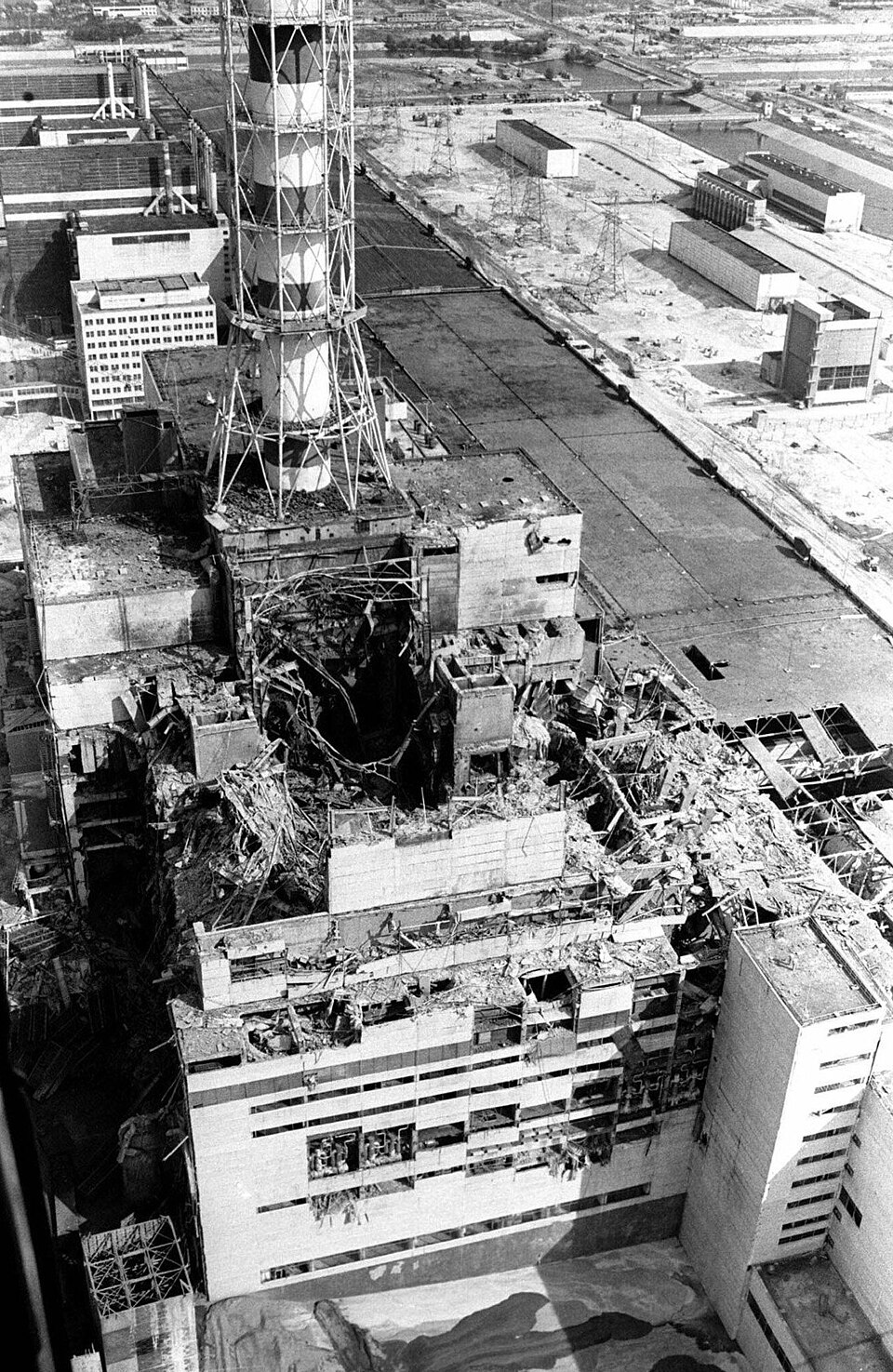
The buildup of superheated steam and immense pressure led to two devastating explosions. The first, a steam explosion, blew off the 1,000-ton concrete lid of the reactor, exposing the core to the atmosphere. The second, a few seconds later, was a hydrogen explosion resulting from the superheated graphite reacting with steam, causing further structural damage and propelling vast quantities of radioactive material high into the atmosphere. This marked the
Super-GAU: recalling the 1986 reactor meltdown event, the "Größter Anzunehmender Unfall" – the maximum credible accident – a complete core meltdown.
The Super-GAU: Immediate and Lasting Impact
The explosions on April 26, 1986, unleashed an unprecedented amount of radioactive material into the atmosphere, creating a plume that spread across the Soviet Union, Europe, and even parts of the Northern Hemisphere. Chernobyl, once a symbol of Soviet technological prowess and a "model facility," became the epicenter of the world's worst nuclear disaster.
The immediate aftermath saw heroic efforts from firefighters and liquidators, many of whom sacrificed their lives to contain the inferno and mitigate further contamination. The area around the plant, particularly the nearby city of Pripyat, was evacuated, becoming a ghost city within days. The radioactive fallout heavily contaminated vast areas of Ukraine, Belarus, and Russia, necessitating long-term exclusion zones. While parts of Belarus have since been declared "resettlable," the environmental and health consequences of the disaster are projected to last for tens of thousands of years. The long-term effects include increased rates of certain cancers, birth defects, and persistent ecological changes within the exclusion zone, which has paradoxically become a unique wildlife sanctuary in the absence of human activity.
Lessons from Chernobyl: Shaping the Future of Nuclear Safety
The Chernobyl disaster, occurring on that fateful day in April 1986, served as a grim reminder of the profound responsibility inherent in harnessing atomic energy. It exposed critical flaws not only in the RBMK reactor design (which was subsequently modified to include enhanced safety features) but also in organizational culture, safety procedures, and information transparency within the Soviet system.
Globally, the disaster spurred a complete reassessment of nuclear power plant safety. International cooperation on nuclear safety, led by organizations like the International Atomic Energy Agency (IAEA), was significantly strengthened. Key lessons learned include:
- Design Improvements: RBMK reactors underwent significant modifications, addressing critical design flaws, particularly the positive void coefficient and the slow-acting shutdown mechanism.
- Enhanced Safety Culture: Greater emphasis was placed on fostering a robust safety culture, ensuring that safety takes precedence over production targets or experimental agendas.
- Independent Oversight: The importance of independent regulatory bodies and stringent safety checks was underscored, preventing single points of failure in decision-making.
- Emergency Preparedness: Global protocols for emergency response, evacuation, and international assistance were developed and refined.
- Transparency and Communication: The initial Soviet secrecy surrounding the disaster highlighted the vital need for immediate and transparent communication during nuclear emergencies.
The Chernobyl disaster remains a powerful cautionary tale. It underscores the critical importance of rigorous safety protocols, continuous improvement in reactor design, thorough operator training, and an unwavering commitment to safety at all levels of nuclear operations. While the tragedy of April 26, 1986, cast a long shadow, it also catalyzed advancements that have made nuclear power safer worldwide, ensuring that such a catastrophic routine test never happens again.